
The Role of DNA Testing in Personalized Psychiatric Care


Understanding DNA Testing in Psychiatry
In recent years, DNA testing has become a game-changer in the realm of personalized psychiatric care. By analyzing a patient's genetic makeup, healthcare providers can tailor treatments to better suit individual needs. This approach is revolutionizing how mental health conditions are diagnosed and treated, offering hope for more effective and personalized care.
Why Genetics Matter in Mental Health
The link between genetics and mental health is profound. Many psychiatric conditions, such as depression, anxiety, and bipolar disorder, have genetic components. By understanding these genetic factors, doctors can predict how a patient might respond to different medications, reducing the trial-and-error process often involved in psychiatric treatment.
Genetic testing can help identify specific genes that influence neurotransmitter systems. This knowledge allows healthcare providers to select medications that are more likely to work effectively, potentially reducing side effects and improving patient outcomes.
How DNA Testing Works
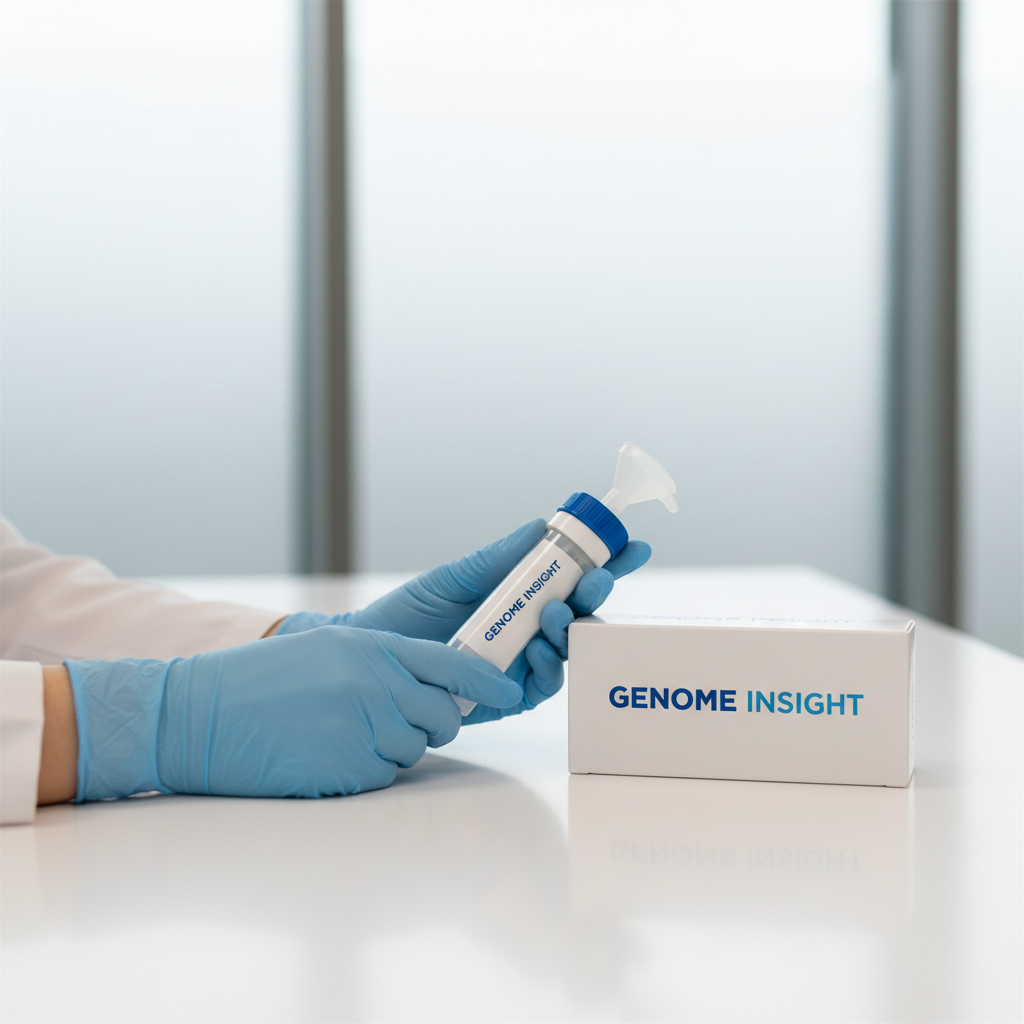
DNA testing for psychiatric purposes typically involves a simple saliva or blood sample. This sample is analyzed to identify genetic markers associated with mental health conditions. The results can provide insights into which medications might be most effective or which therapies could yield the best results.

One of the most significant advantages of DNA testing is its ability to guide medication choices. By understanding a patient's genetic makeup, doctors can prescribe medications that align with the patient’s genetic profile, potentially leading to quicker and more effective treatment.
Benefits of Personalized Psychiatric Care
Personalized psychiatric care offers numerous benefits. It can lead to faster symptom relief, fewer side effects, and overall improved patient satisfaction. By focusing on the individual's unique genetic makeup, treatments become more targeted and efficient.
- Improved medication efficacy
- Reduced side effects
- Faster recovery times
- Increased patient adherence
Challenges and Considerations
Despite its many advantages, DNA testing in psychiatry is not without challenges. The cost of testing and the need for specialized interpretation of results can be barriers for some patients. Additionally, ethical considerations regarding genetic privacy must be addressed to ensure patient information is protected.

Moreover, while genetic testing provides valuable insights, it is essential to remember that environmental factors and lifestyle also play significant roles in mental health. A holistic approach that combines genetic information with other therapeutic strategies is often the most effective.
The Future of Psychiatric Care
The integration of DNA testing into psychiatric care is still in its early stages, but the potential is enormous. As research continues to evolve, we can expect even more precise and personalized treatments. This advancement holds promise for better patient outcomes and a deeper understanding of the complex interactions between genetics and mental health.
Ultimately, the role of DNA testing in personalized psychiatric care is a testament to the power of combining science and technology to enhance human health and well-being. As this field continues to grow, it offers exciting possibilities for the future of mental health treatment.