The Role of DNA Psychotropic Testing in Personalized Psychiatry


Understanding DNA Psychotropic Testing
Personalized psychiatry has been gaining traction as a means to tailor mental health treatments to individual needs. A key component of this personalized approach is DNA psychotropic testing. This innovative testing method analyzes a patient’s genetic makeup to predict their response to various psychiatric medications, enabling psychiatrists to design more effective treatment plans.
DNA psychotropic testing examines specific genetic markers that influence how an individual metabolizes medications. These markers can provide insights into which drugs are likely to be most effective and which might cause adverse effects. By using this information, psychiatrists can avoid the often lengthy process of trial and error in medication management.
How DNA Testing Works in Psychiatry
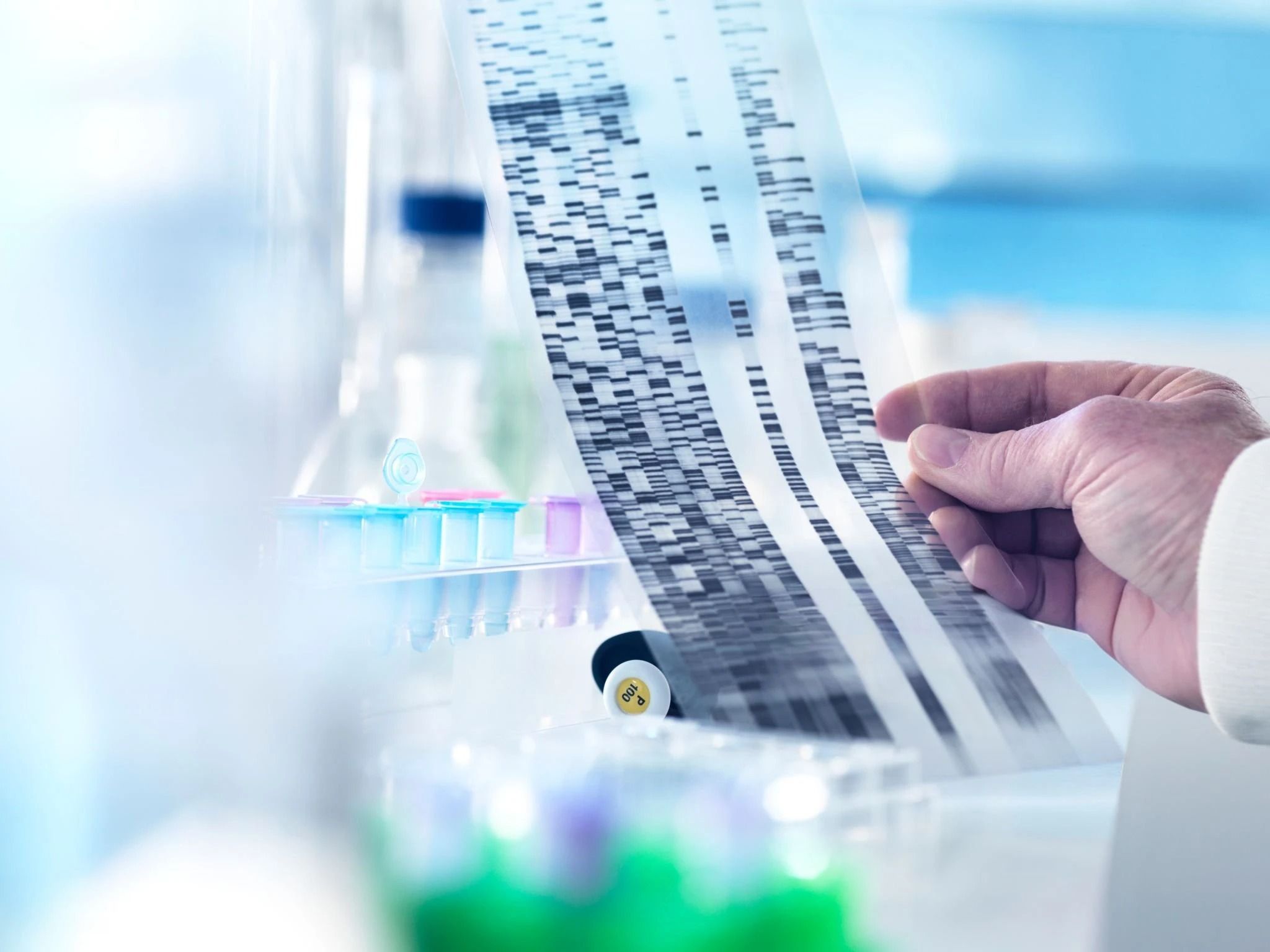
The process begins with a simple swab of the patient's cheek to collect DNA. This sample is then analyzed in a lab to identify variations in genes related to drug metabolism. The results can indicate how quickly or slowly a person processes certain medications, which can significantly affect the drug's efficacy and the risk of side effects.
Genetic testing typically focuses on enzymes in the liver, such as CYP450, which play a critical role in drug metabolism. Variations in these enzymes can lead to differences in how medications are absorbed, distributed, and eliminated by the body. Understanding these variations allows for a more targeted approach to prescribing medication.

The Benefits of Personalized Psychiatry
One of the primary benefits of DNA psychotropic testing is the potential to improve treatment outcomes. By predicting which medications are likely to be effective, doctors can reduce the time it takes for patients to experience relief from symptoms. This can be particularly beneficial for individuals who have struggled with finding the right medication in the past.
Moreover, this personalized approach can help minimize the risk of adverse drug reactions. By identifying medications that are less likely to cause side effects, patients can have a more comfortable and effective treatment experience. This can lead to better adherence to treatment plans and overall improved mental health outcomes.

Challenges and Considerations
While DNA psychotropic testing offers promising benefits, it is not without its challenges. The interpretation of genetic data requires specialized knowledge, and not all healthcare providers may be equipped to integrate this information into their practice. Additionally, the cost of testing can be a barrier for some patients, though it is becoming more widely covered by insurance.
It is also important to note that genetics is just one piece of the puzzle. Environmental factors, lifestyle, and other health conditions also play crucial roles in mental health treatment. Therefore, DNA psychotropic testing should be used in conjunction with a comprehensive assessment by a qualified healthcare provider.
The Future of Personalized Psychiatry
The future of psychiatry is undoubtedly leaning towards personalization. As technology advances and our understanding of genetics deepens, the potential for DNA psychotropic testing will continue to grow. This will likely lead to more refined and effective treatment options for individuals suffering from mental health disorders.
In conclusion, DNA psychotropic testing represents a significant step forward in personalized psychiatry. By offering insights into how patients are likely to respond to different medications, it provides a roadmap for more effective and individualized treatment strategies. As this field evolves, it holds promise for improving the lives of countless individuals facing mental health challenges.