How DNA Psychotropic Testing Can Enhance Medication Management

Understanding DNA Psychotropic Testing
DNA psychotropic testing is revolutionizing the way healthcare providers approach medication management for mental health conditions. This innovative method involves analyzing a patient's genetic makeup to determine how they might respond to various psychotropic medications. By understanding an individual’s genetic profile, doctors can prescribe medications that are more likely to be effective and cause fewer side effects.
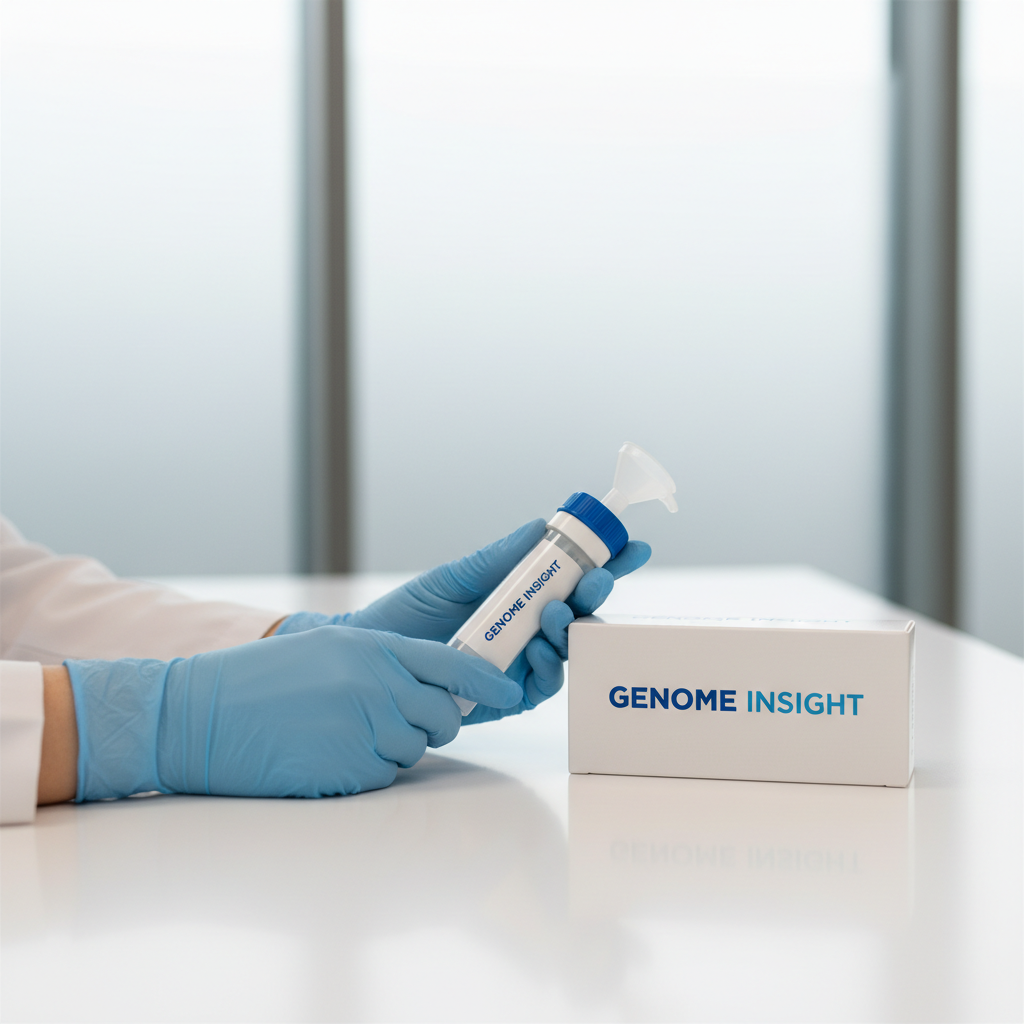
The process of DNA psychotropic testing is relatively simple. A sample of saliva or blood is collected and analyzed for specific genetic markers. These markers provide insights into how a person metabolizes medications, helping to predict their response to different drugs. This personalized approach can significantly improve treatment outcomes.
The Benefits of Personalized Medication Management
One of the main advantages of DNA psychotropic testing is its ability to tailor medication plans to the specific needs of each patient. This personalization can lead to several benefits, including:
- Improved efficacy: By identifying the most suitable medication, patients are more likely to experience positive results.
- Reduced side effects: Understanding how a patient’s body processes medication can help minimize adverse reactions.
- Faster recovery: Personalized treatment plans can lead to quicker symptom relief and recovery times.
These benefits highlight the potential of DNA psychotropic testing to enhance the overall quality of mental health care.
How DNA Testing Works with Psychotropic Medications
Psychotropic medications, which include antidepressants, antipsychotics, and mood stabilizers, can be challenging to manage due to their varied effects on different individuals. DNA testing helps in understanding these variations by identifying genetic factors that influence drug metabolism and receptor activity.
For instance, some people may have genetic variations that make them slow metabolizers of certain drugs, leading to a higher risk of side effects. Conversely, fast metabolizers may require higher doses to achieve therapeutic effects. By incorporating DNA testing, doctors can adjust dosages more accurately and choose medications that align with a patient’s genetic profile.

Challenges and Considerations
While DNA psychotropic testing offers numerous advantages, it is not without challenges. The cost of testing and the need for specialized knowledge to interpret results can be barriers to widespread adoption. Additionally, genetic factors are only one piece of the puzzle, and environmental and lifestyle factors also play significant roles in medication efficacy and patient response.
Healthcare providers must consider these additional factors when designing treatment plans. Collaborating with genetic counselors and staying updated on research can help in making informed decisions based on DNA testing results.
The Future of DNA Psychotropic Testing
As technology advances, DNA psychotropic testing is expected to become more accessible and affordable. Continued research will likely uncover new genetic markers and improve our understanding of the genetic basis of medication response. This progress could lead to even more precise and effective treatments for mental health conditions.
For patients and healthcare providers, embracing these advancements means a future where mental health care is more personalized, efficient, and effective. DNA psychotropic testing is paving the way for a new era in medication management, offering hope for better therapeutic outcomes.