Finding Mental Health Balance: Tips for Managing Anxiety Disorders


Understanding Anxiety Disorders
Anxiety disorders are among the most common mental health conditions, affecting millions worldwide. These disorders can manifest in various ways, including generalized anxiety disorder, panic disorder, and social anxiety disorder. Understanding the symptoms and triggers is crucial for managing anxiety effectively.

Identifying Triggers
Identifying what triggers your anxiety can be a significant first step in managing it. Common triggers include stress from work, personal relationships, or even certain environments. Keeping a journal to track your feelings and experiences can help pinpoint these triggers, allowing you to develop strategies to cope with them.
Practicing Mindfulness
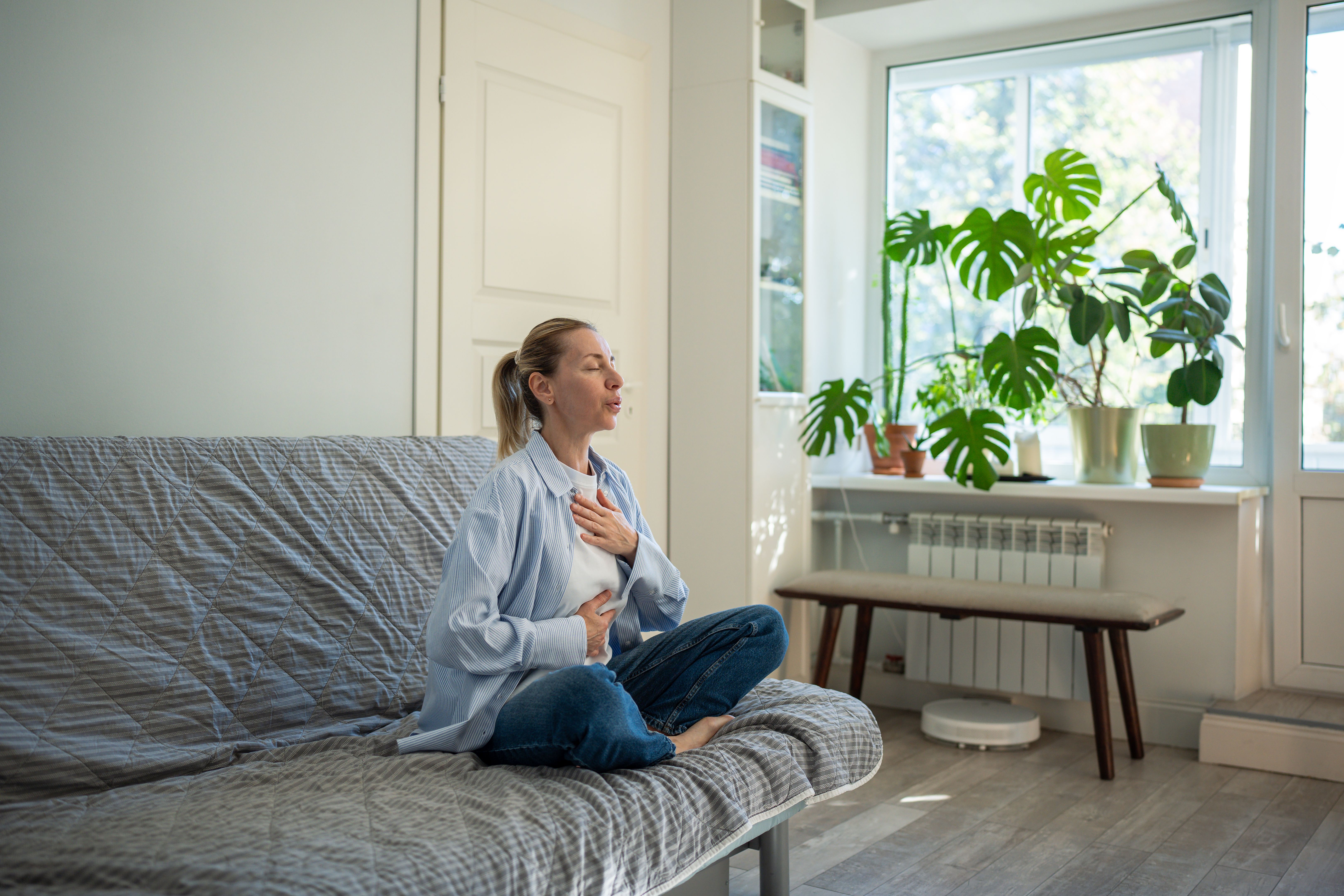
Mindfulness is a powerful tool for managing anxiety. By focusing on the present moment, mindfulness practices can help reduce stress and improve emotional regulation. Techniques such as deep breathing, meditation, and yoga can be incorporated into daily routines to foster a sense of calm and balance.

Developing a Support System
Having a strong support system is vital for mental health. Friends, family, and mental health professionals can provide comfort and guidance. Engaging with support groups, either in person or online, can also offer shared experiences and advice from those who understand your challenges.
Healthy Lifestyle Choices
Maintaining a healthy lifestyle can significantly impact your mental well-being. Regular physical activity, a balanced diet, and adequate sleep are essential components. Exercise releases endorphins, which can improve mood and reduce anxiety.

Professional Help
In some cases, professional help is necessary to manage anxiety disorders effectively. Therapists and counselors can offer cognitive-behavioral therapy (CBT) and other techniques to help navigate anxious thoughts and behaviors. Medication may also be an option, depending on individual needs.
Setting Realistic Goals
Setting achievable goals can provide a sense of purpose and direction, helping to alleviate anxiety. Break tasks into manageable steps and celebrate small victories along the way. This approach can reduce feelings of being overwhelmed and boost confidence.
Embracing Self-Compassion
Lastly, practicing self-compassion is essential. Recognize that it's okay to have anxious moments and that seeking help is a strength, not a weakness. Treat yourself with kindness and understanding as you work towards finding balance in your mental health journey.